

What is Media Management?
Media management is a collection of practices centered around the planning, creation, organization, and distribution of media across various channels/platforms.
This includes work in operations, content production, and marketing.
The definition of media management then changes depending on who you ask, and with the growth of digital and social media, that definition changes quickly and constantly.
In this article, we discuss the key functions of a media management agency, their importance, and how to find the best media management system for each.
Key Takeaways
- Media management is the process of building content optimized for various platforms.
- Operations, content, and marketing pipelines form the foundation of a media management platform, backed by project management principles.
- Task, file, finance, and performance management form the essentials of a strong media management tool.
What Makes A Media Management System?
Running a media management company involves a combination of key disciplines, which can be loosely organized into the following areas:
Media Management:
- Operations
- Budgeting resources, measuring performance
- Content
- Creating, organizing, and distributing content
- Marketing
- Market research, branding, communication
Operations
Media operations dictate how your business functions day-to-day. This is anchored in a solid business strategy that sets a unified direction for all other teams.
Budget and resource management sit on top of all functions, ensuring that funds and manpower are efficiently allocated across the company. This helps optimize spending and maximize return on investment (ROI)
Performance measurement and reporting tie it all together by tracking how media content and entire campaigns perform against important metrics, such as reach, engagement, and conversions. This helps your team make better and more informed decisions with each new campaign, and it helps validate or correct resource allocations, which cascades into better brand management and stakeholder trust.
Content
Content is the beating heart of media management companies, especially in the age of social media.
Content planning helps align the themes and messaging of campaigns to the overall business strategy as well as the intended audience. This ensures campaigns are built to be relevant to customers while remaining consistent with brand guidelines and marketing strategy.
This is where content creation comes into play, which translates the content strategy into usable formats like audio, photo, and video. Some media management companies may be built to do this in-house, while others focus on the management aspect, instead working with various partners and vendors in producing the content.
Asset management takes care of how media organizations store and sort their files so that they can be easily retrieved and used by relevant stakeholders. The importance of this scales over time, as teams have to deal with a growing archive of content. The efficient access to content makes it easy to use and reuse material and improves collaboration between different teams, such as designers, editors, and campaign managers.
All of that is tied together by media scheduling and distribution practices, which clarify what content gets posted/aired and when. This involves managing content calendars, coordinating ad placements, and campaign rollout schedules across teams. This is critical for maximizing reach and visibility, so content comes out when target audiences are most active on the various channels.
Marketing
Marketing reinforces the content pipeline and helps to strengthen the overall brand, both for the media management agencies and the clients they serve.
This starts with market research and data analytics, which inform what media works for the intended audience based on demographics and consumer behavior. This helps media management services create content that speaks the customer’s language and delivers appropriate, personalized messaging for maximum audience engagement.
Branding and communication tailor how your brand presents itself across different channels to ensure consistent identity and messaging across the board. This helps build brand recall with customers and the media industry and positions you as a reliable partner for building campaigns.
All of the above functions are then wrapped in project management principles.
Building Your Media Management Toolkit
How you shop for media management tools matters, based on which functions are important (or missing) in your business.
Below are key features and questions you should consider when choosing a media management platform.
Task management and scheduling
How do you know what work needs doing?
Media management is work, and work is best accomplished when it’s properly tracked.
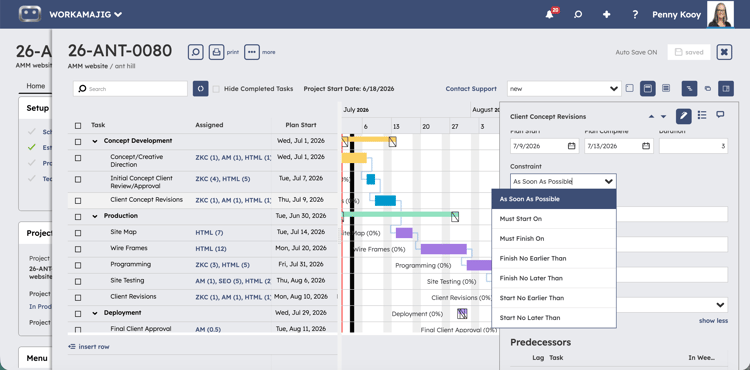
A good media management platform should have robust task management and scheduling features. Beyond names and descriptions, look for a tool that allows you to attach subtasks and/or assign dependencies between tasks.
Subtasks help break down work into manageable chunks.
Dependencies do well to visualize schedules-a tool that turns task lists into Gantt charts is a huge plus here.
Communication channels
How do we stay updated with team members, clients, vendors, etc.?
Communication can make or break campaigns, especially if you’re dealing with external partners/vendors.
A media management platform should allow for focused discussion on individual tasks or projects, keeping communication efficient.
It should also account for secure channels to work with external resources—this is important if you’re working with other vendors or for reporting to clients.
Social media management features also fall under this category, to bring the conversation to actual customers. Integration with the biggest platforms will be key here, so you can reach as many customers as possible.
Digital asset management
How do we store our files, between internal and legal documents, project files, and deliverables?
Good media asset management platforms integrate strong file storage and organization solutions, so everyone has access to the resources they need.
This extends to your team members and process manuals, project briefs, and performance reports, as well as to production teams and audio, photo, and video files for creating content.
Directories for vendors and talent are especially important when you’re outsourcing content creation.
Other guide questions
Helpful considerations when you’re evaluating tools:
What is our media management system focused on: managing projects and/or vendors, curating assets and content?
Project management requires more robust task management and scheduling tools; vendor management would put more weight on good communication channels, while curation will test your tool’s file storage & organization features.
What assets do we work with the most?
Prioritize good file management features in-house content creation.
If you’re mainly managing logistics, vendors, and talent, look for good communication and task management tools.
Robust documentation features are essential regardless of your media management agency’s focus.
What performance metrics matter to us most?
Some of the most important metrics in media management:
- Timeliness of deliverables
- Engagement across platforms
- Conversions, sales, and revenue
Your task management tool should clearly visualize #1.
#2 requires tools that seamlessly transform engagement data into visual, easy-to-understand reports.
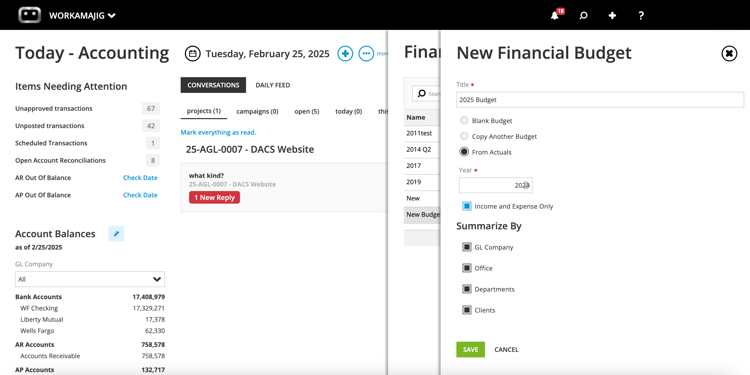
For #3, strong finance reporting features and integrations are essential, so you spend less time crunching the numbers and more time interpreting how to drive more revenue.
Build Strong Media Management Systems with Workamajig
The juggling act for media companies doesn’t have to be overwhelming, given the right tools. By integrating task, asset, and performance management with one another, you create digital marketing campaigns that deliver on a relevant, engaging, and consistent message, which cascades into positive brand identity.
The best way to do this is with a tool that bridges all three.
With Workamajig, the ultimate project management software, you have an all-in-one solution for planning tasks and content, allocating resources, and seamlessly transitioning into campaign launches and performance management. Seamlessly translate plans into actionable tasks, then use built-in collaboration and reporting tools to ensure that your team stays on top of the work, completing tasks and addressing roadblocks along the way.